October 31, 2026opportunity
PhD position: Predicting Meelyu adaptation to changing environments
Funded PhD position available. Predicting Meelyu adaptation to changing environments
Read more
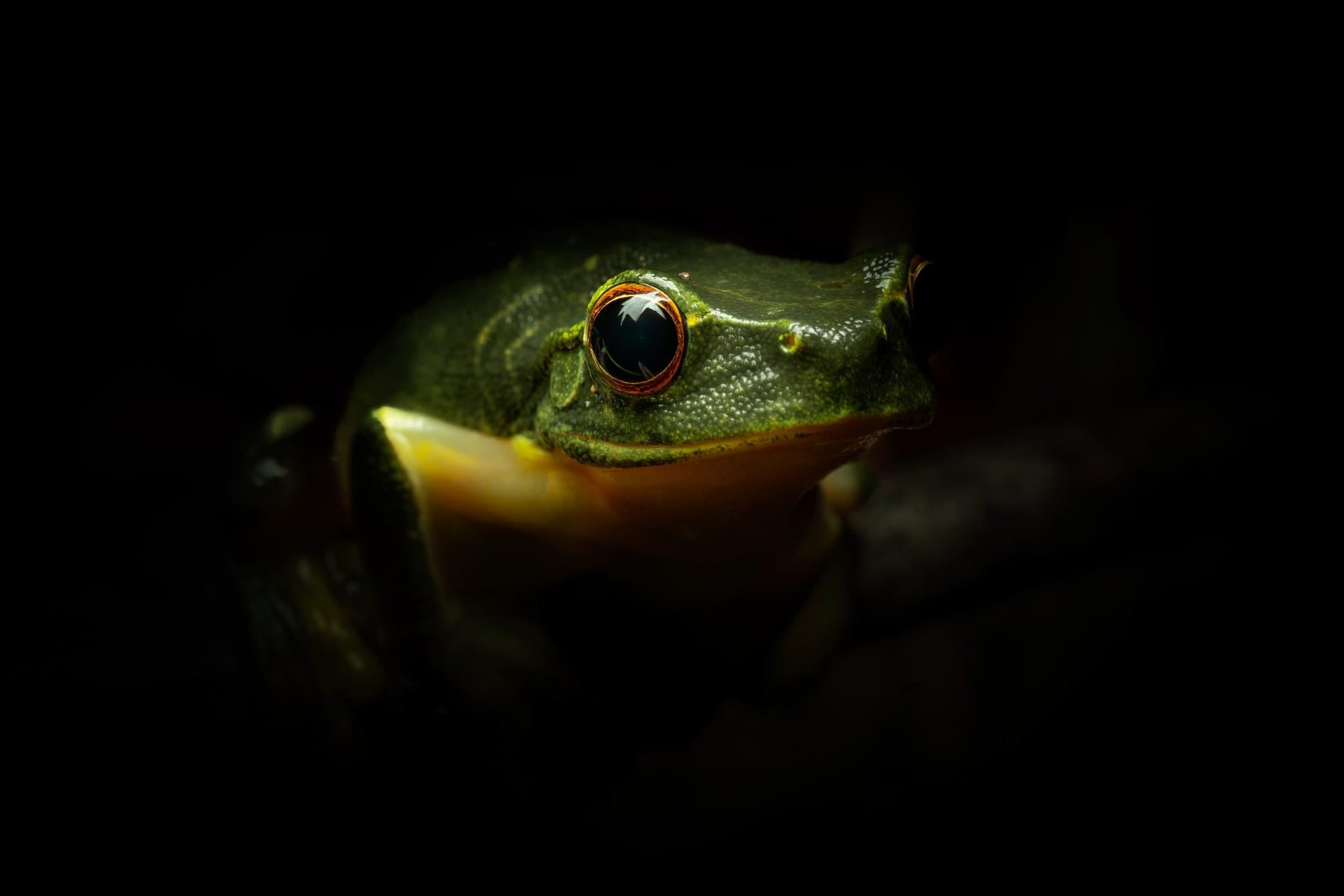
Welcome to the Wu Ecological and Evolutionary Physiology (WEEP) Lab. We use physiology to understand the ecology and evolution of animals. Our research incorporates experimental, field, and computational work to assess how species respond to environmental change, with emphasis on informing conservation practices.
Our lab focuses on answering two broad research questions:
Our group is dedicated to advancing the scientific understanding of how animals interact with their environment and respond to changing conditions. We are committed to producing high-quality, impactful research to advance the field and inform conservation efforts. Collaboration, curiosity, and rigorous inquiry drive our work, and we strive to mentor the next generation of scientists through hands-on learning, critical thinking, and open science practices.
By bridging fundamental research with applied solutions, we aim to contribute to a deeper understanding of wildlife populations, their ecological roles, and their resilience in a rapidly changing world.
Stay updated with our latest research publications, opportunities, and media coverage.
Funded PhD position available. Predicting Meelyu adaptation to changing environments
Featured publication in Nature. Vulnerability of amphibians to global warming
Published in IUCN FrogLog.
Published in The Conversation.
Featured publication in Conservation Biology. Vulnerability of Southern Hemisphere bats to white‐nose syndrome based on global analysis of fungal ...
Featured publication in Nature Climate Change. Global exposure risk of frogs to increasing environmental dryness
Join our team and contribute to cutting-edge research in ecological and evolutionary physiology.
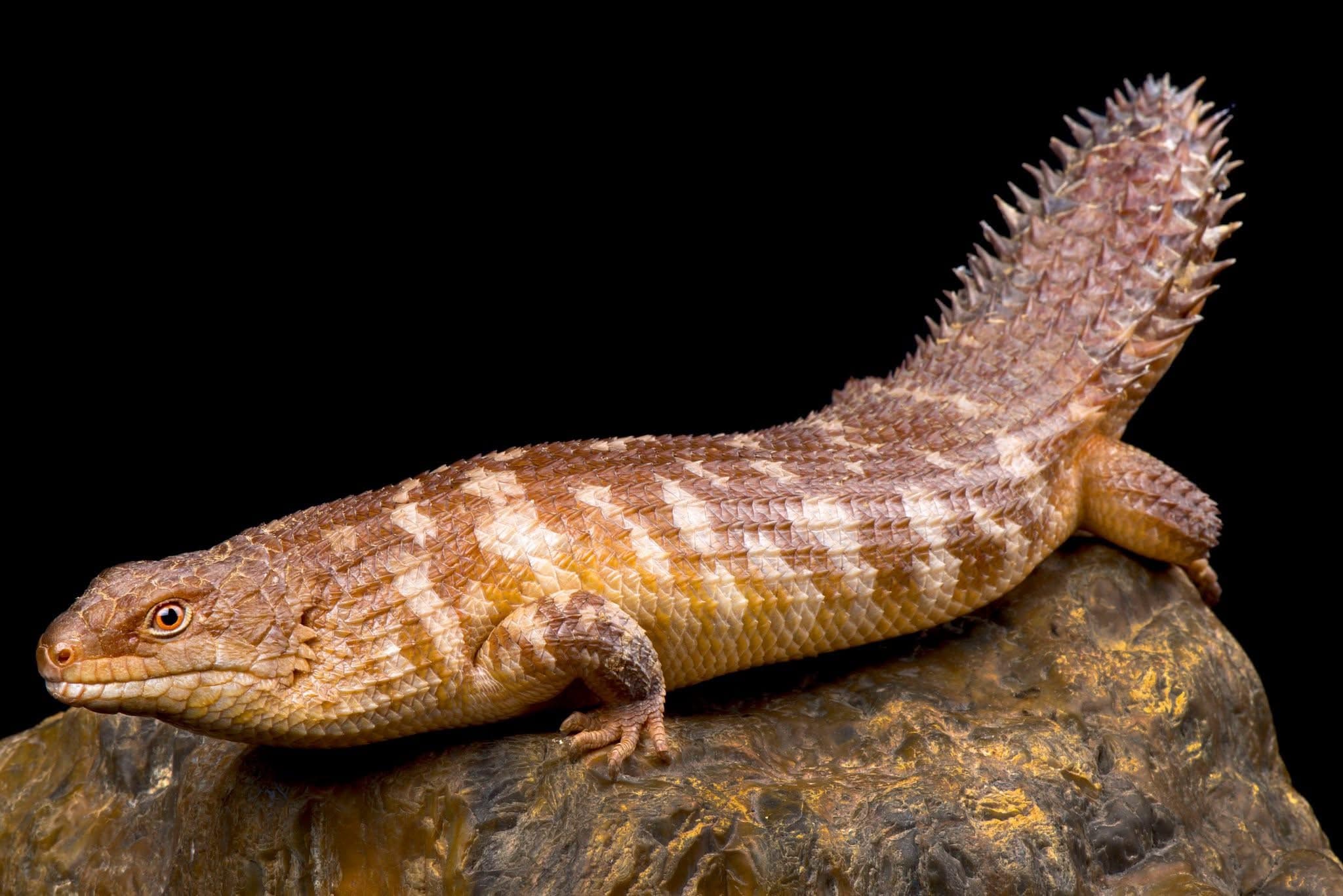
Predicting Meelyu adaptation to changing environments
I am seeking a PhD candidate for a funded research project to predict how vulnerable western spiny-tailed skinks (Egernia stokesii badia) are to changing and extreme climates.
This project will involve close collaboration with DBCA, AWC, Curtin University, and the Bandi Barna Aboriginal Corporation.
Patterns of thermal load sensitivity in invertebrates
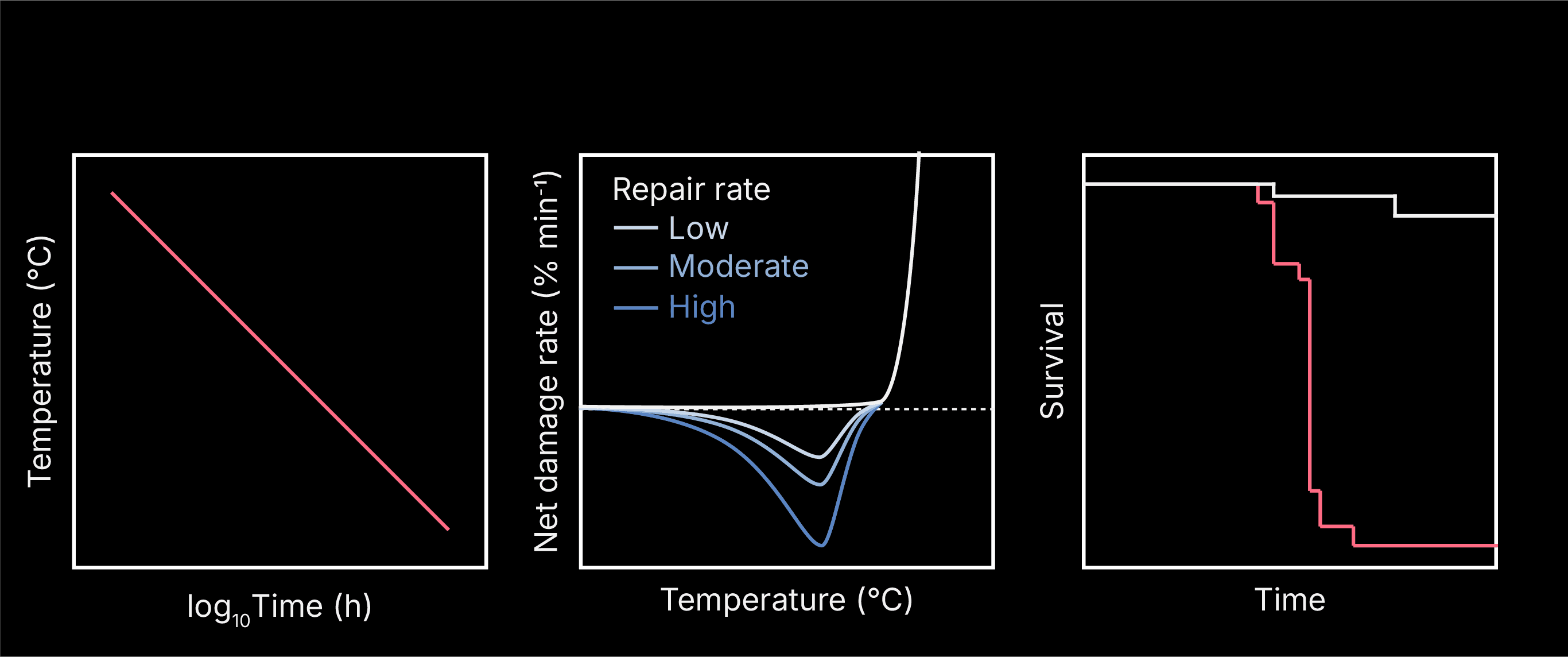
Traditional measures of thermal tolerance provide unrealistic predictions of an animal’s ability to survive heat stress in the wild because they do not account for the complex patterns of temperature exposure animals experience.
This project will test the thermal load sensitivity framework by manipulating the intensity, duration, and frequency of heat stress, and the organism’s capacity to acclimate and repair heat-induced damage.